




The History of Pembroke Lodge
A Richmond Park landmark with a remarkable story
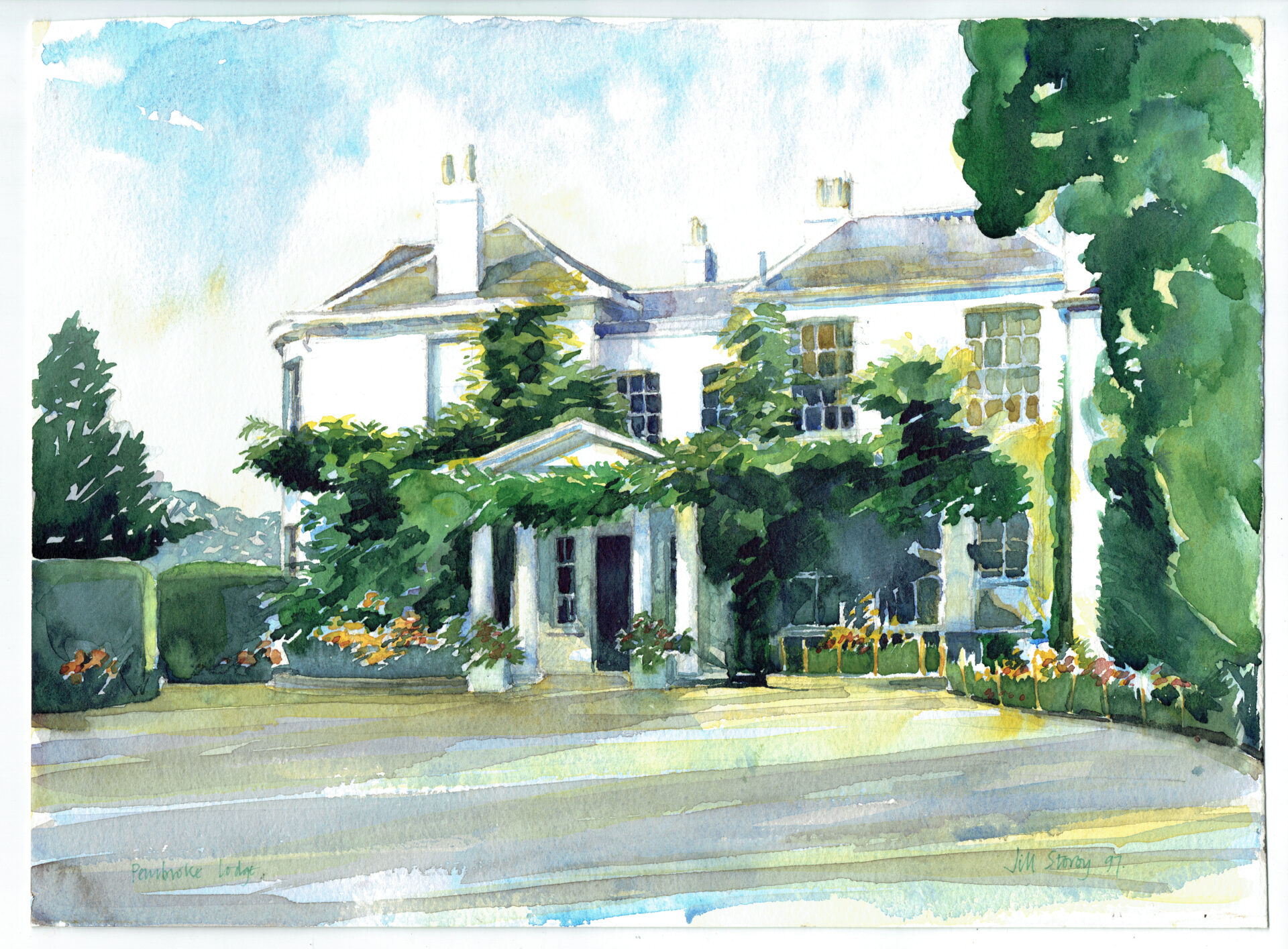
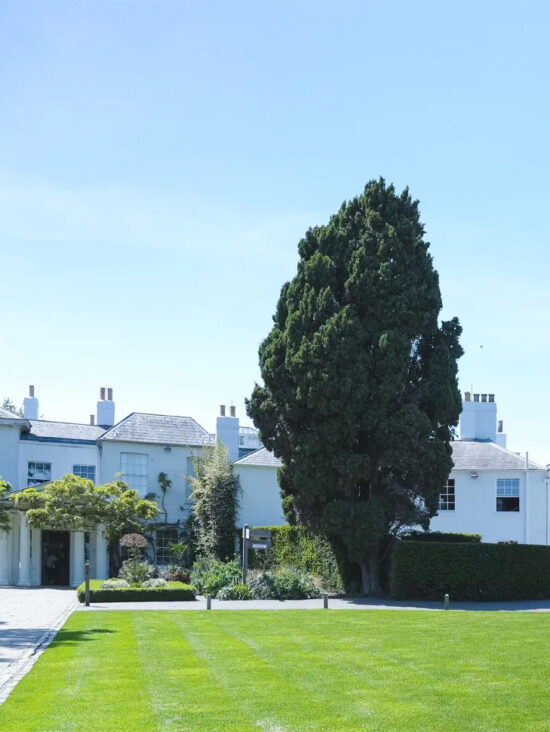
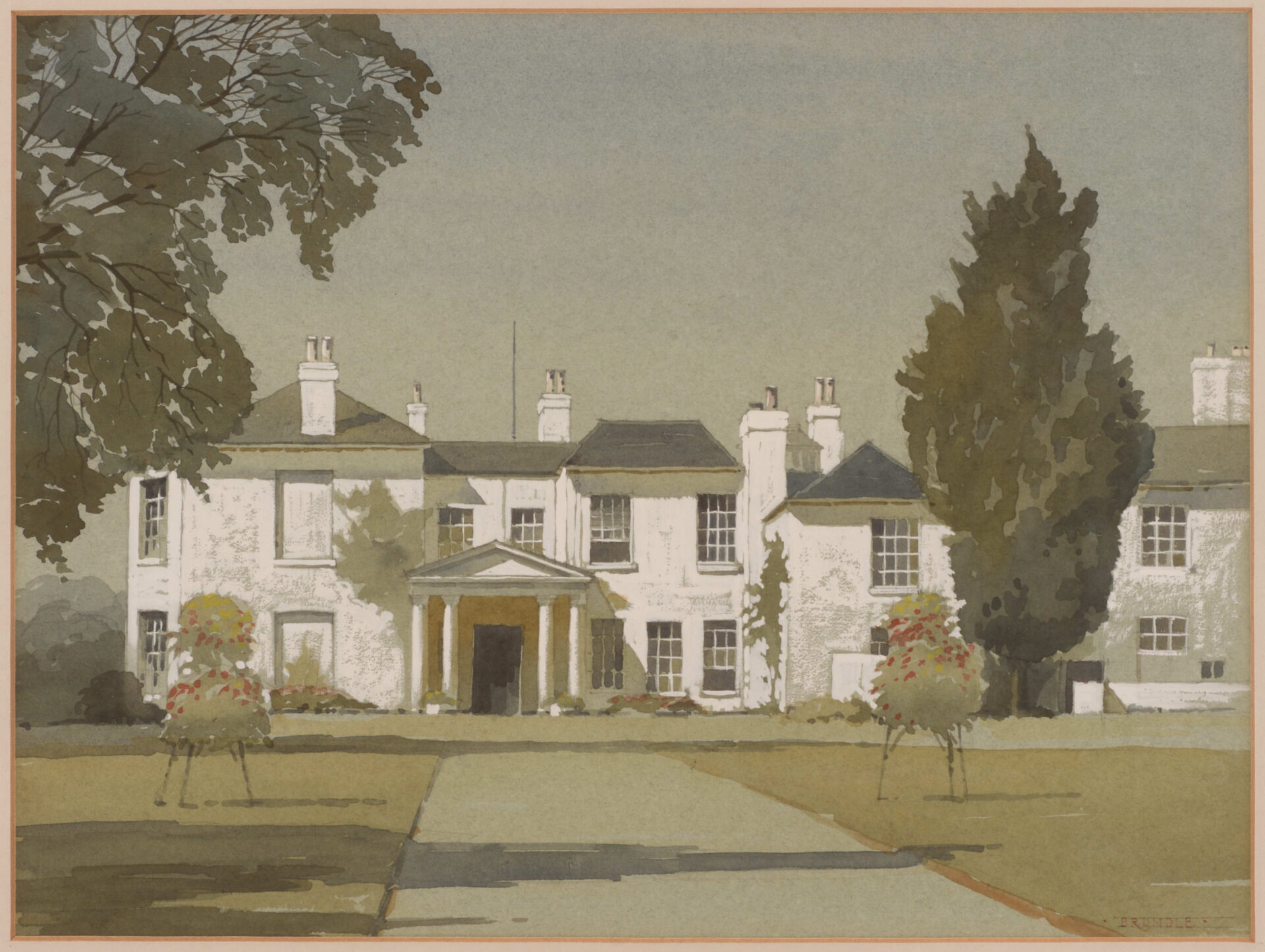
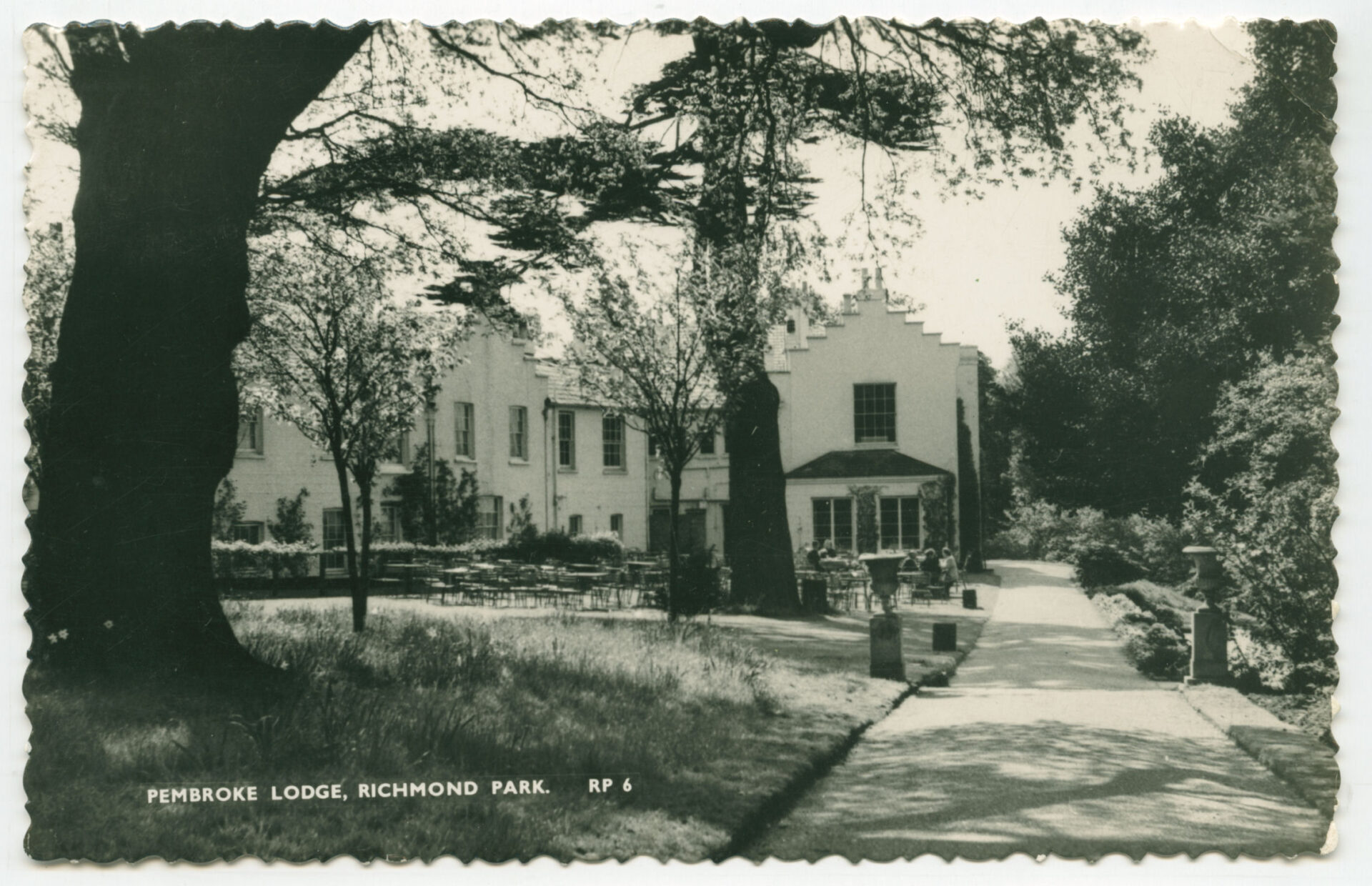
For more than 250 years, Pembroke Lodge has stood at the heart of Richmond Park, quietly witnessing centuries of British history.
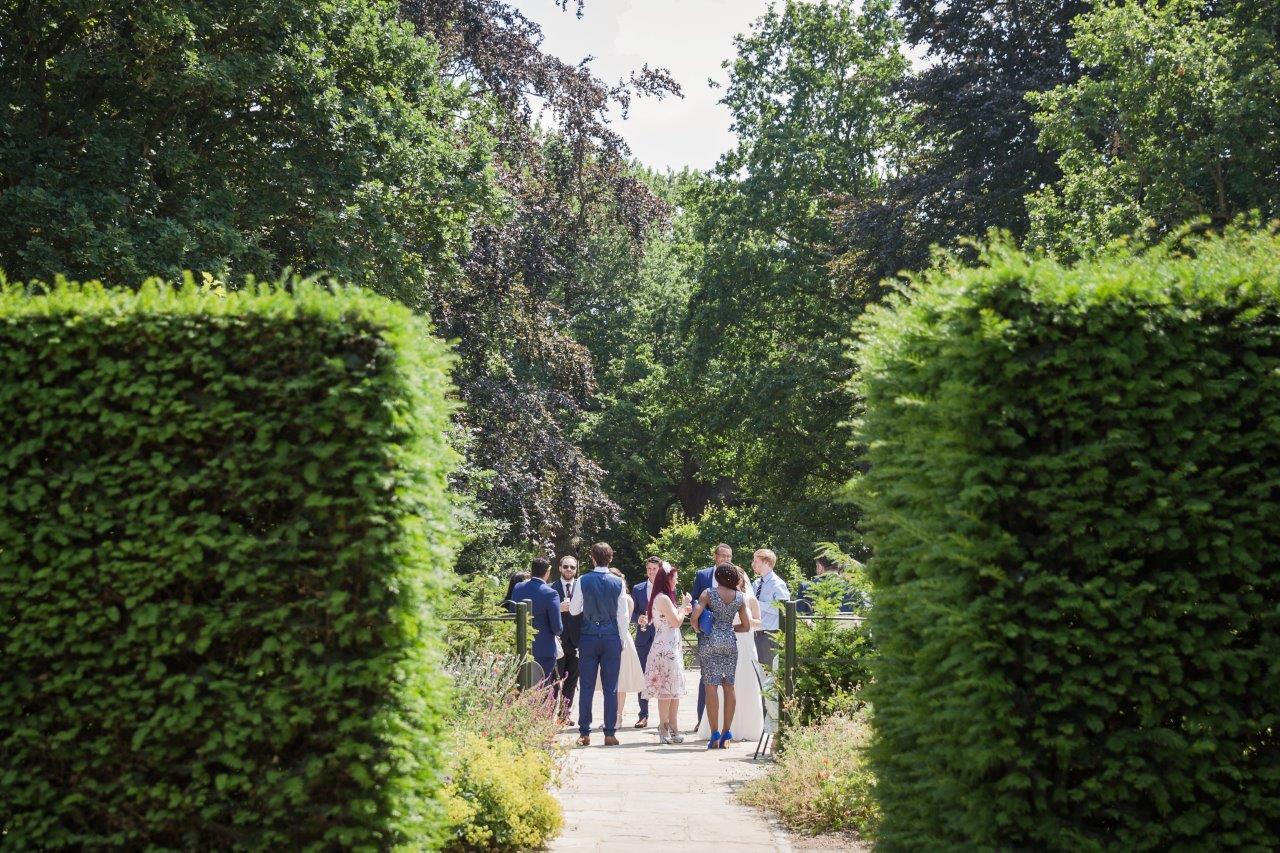
Today it is known as one of London’s most beautiful Georgian mansions to enjoy tea, lunch or host a private event, but long before celebrations filled its rooms, it was home to royalty, politicians, philosophers, soldiers and generations of families. Throughout its history, it has adapted to changing times while never losing its connection to the landscape that surrounds it.
Every room, every view and every corner of the lodge tells part of that story.

A cottage in the park
Before Pembroke Lodge existed, there was simply a small cottage occupied by the park’s molecatcher.
His role was an important one. Richmond Park was created as a royal hunting ground and molehills presented a genuine hazard during hunts. The cottage provided modest accommodation close to his work.
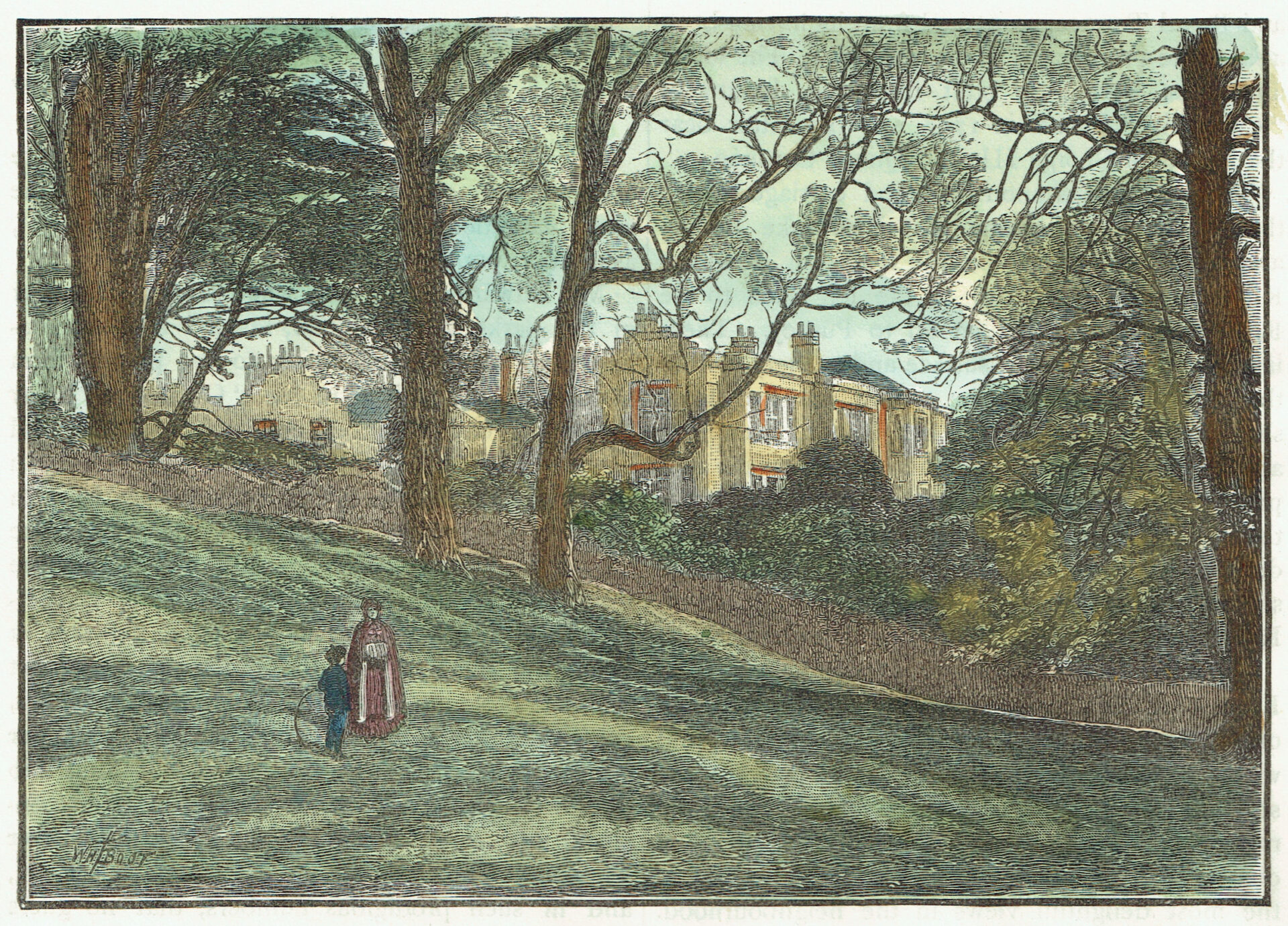
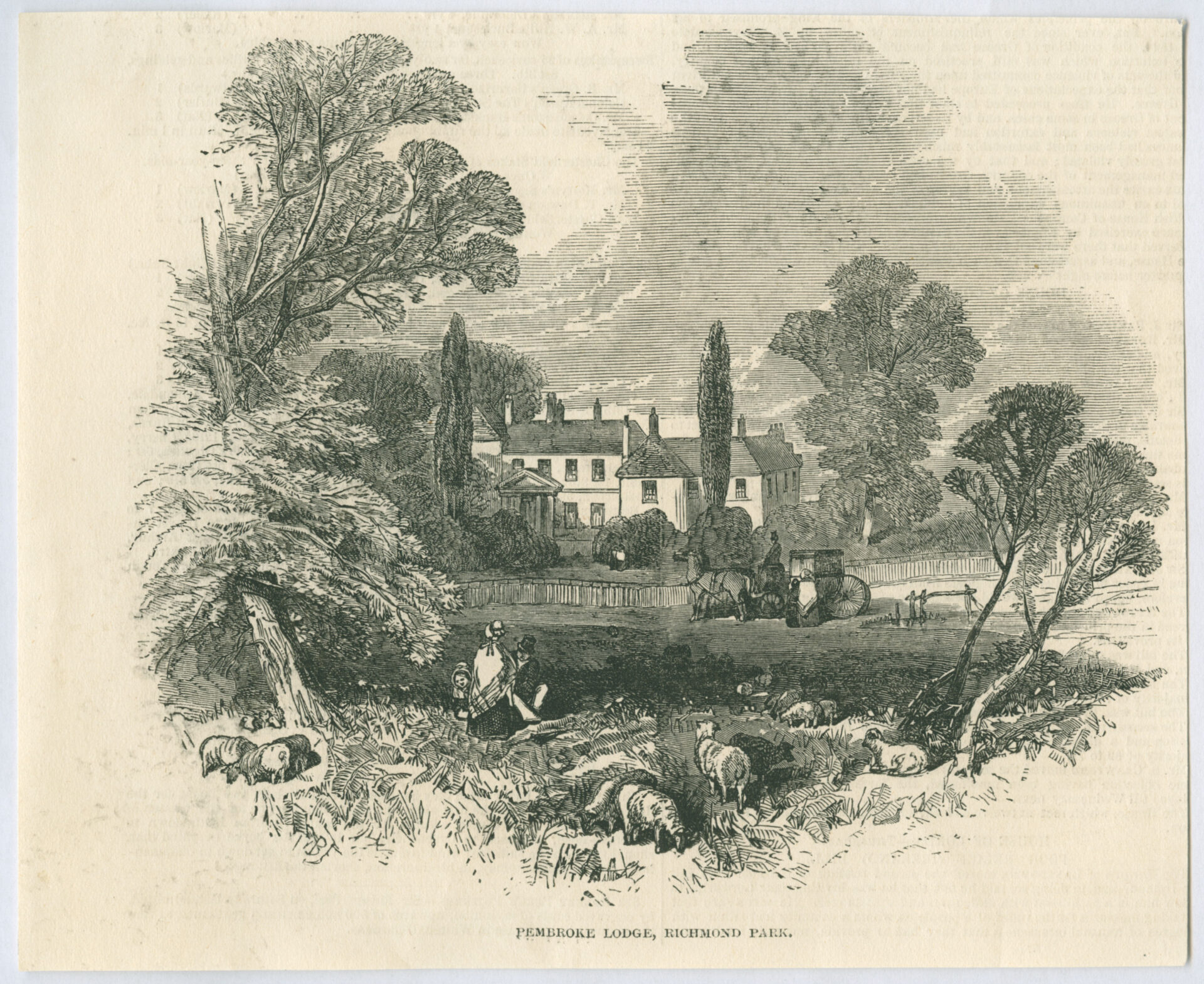
Later known as Hill Lodge, the building was gradually enlarged into a small residence with just a handful of rooms. It remained a quiet home until one remarkable resident changed its future forever.
The Countess of Pembroke
In 1780, Elizabeth, Countess of Pembroke, rented Hill Lodge while spending time in Richmond Park.
She quickly fell in love with its peaceful setting and asked George III if she could make it her permanent home. He agreed.
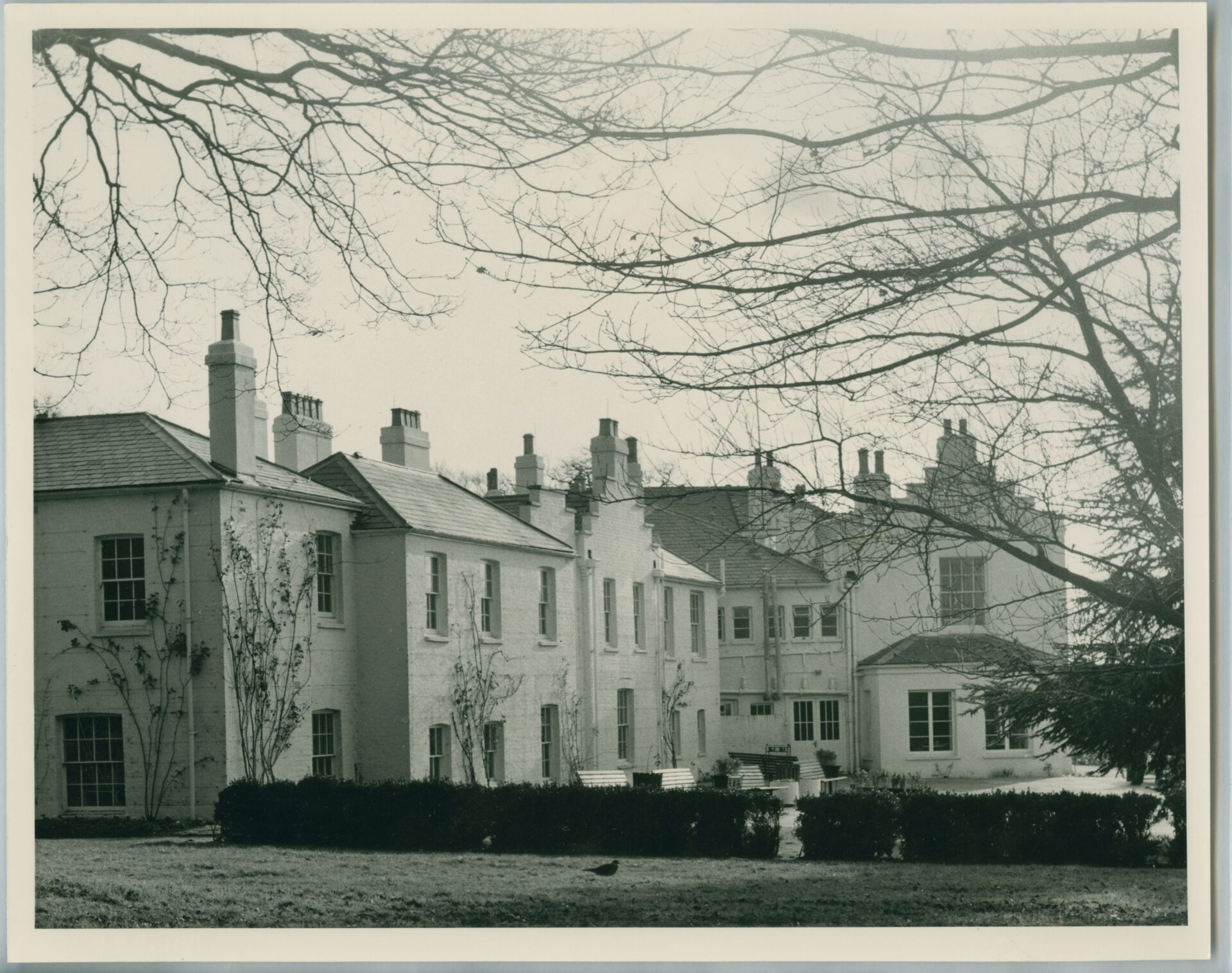
The Countess commissioned distinguished architects John Soane and Henry Holland to transform the modest house into an elegant Georgian villa.
Between 1788 and 1796, the building was extensively enlarged, creating much of the Georgian Wing that visitors still enjoy today.
It was this transformation that truly established Pembroke Lodge as one of Richmond Park’s finest residences.
A House at the Heart of Victorian Britain
Following the Countess’s death in 1831, Pembroke Lodge remained closely connected to the Royal Family, passing through a succession of distinguished residents under grants from William IV and later Queen Victoria.
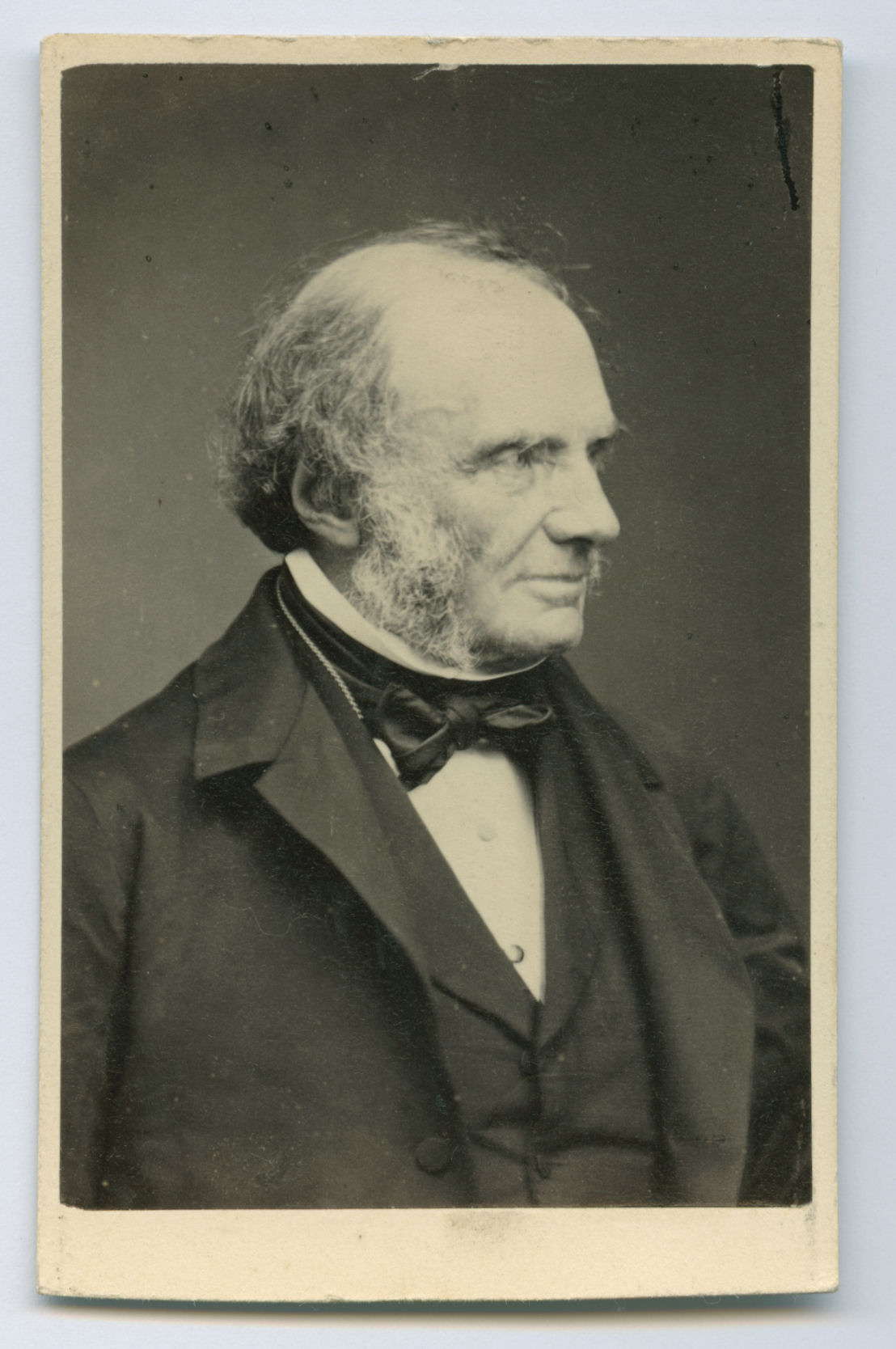
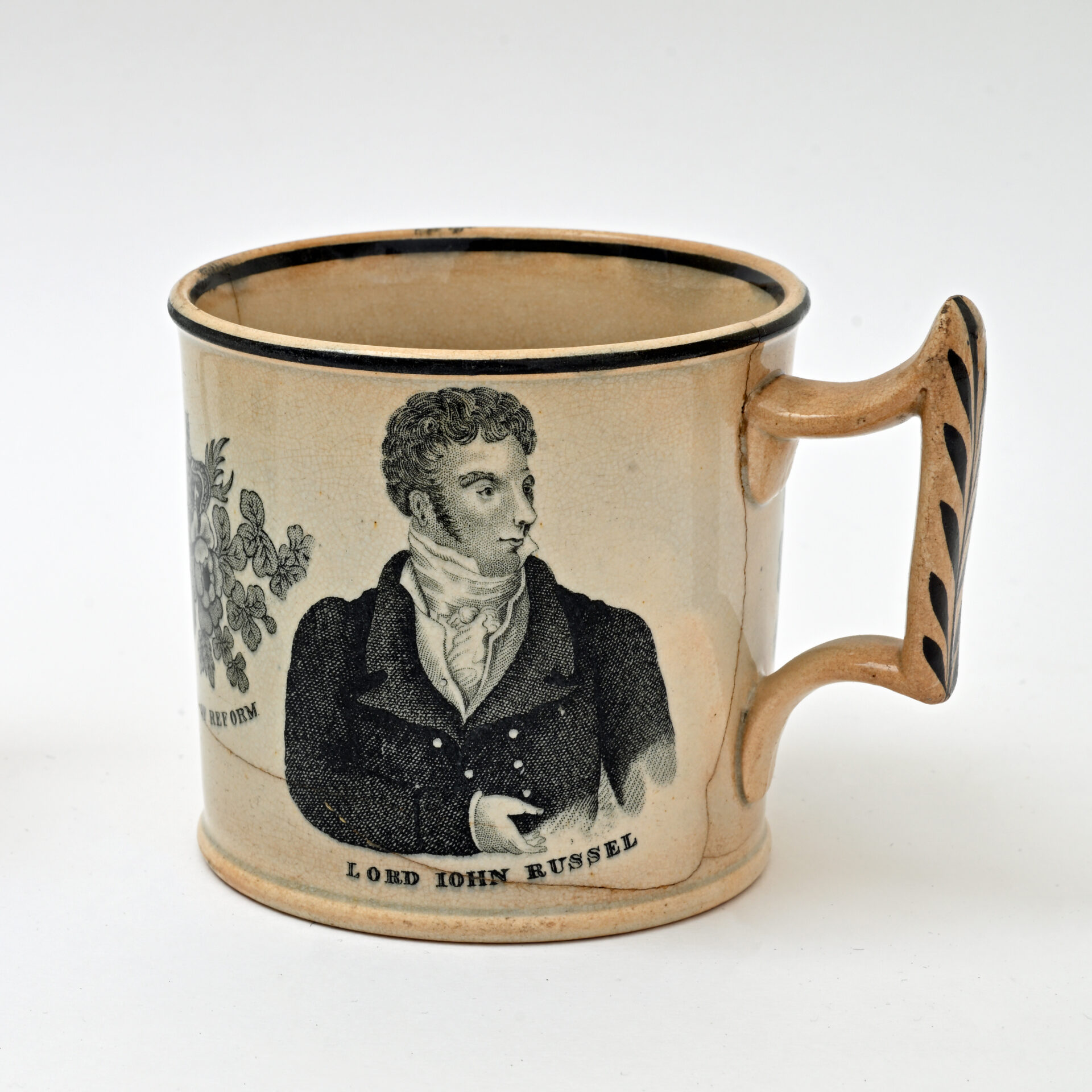
Perhaps its most influential resident was Lord John Russell, twice Prime Minister of Britain.
While living at Pembroke Lodge, Lord John Russell used the house not only as his family home but also as an informal centre of government, where leading political figures regularly gathered.
The guest list reflected the importance of the house, welcoming figures including Charles Dickens, Alfred, Lord Tennyson, William Ewart Gladstone and Giuseppe Garibaldi.
Lord John Russell himself described the setting as one that “could hardly be equalled” anywhere in England.
A House at the Heart of Victorian Britain
Following the Countess’s death in 1831, Pembroke Lodge remained closely connected to the Royal Family, passing through a succession of distinguished residents under grants from William IV and later Queen Victoria.
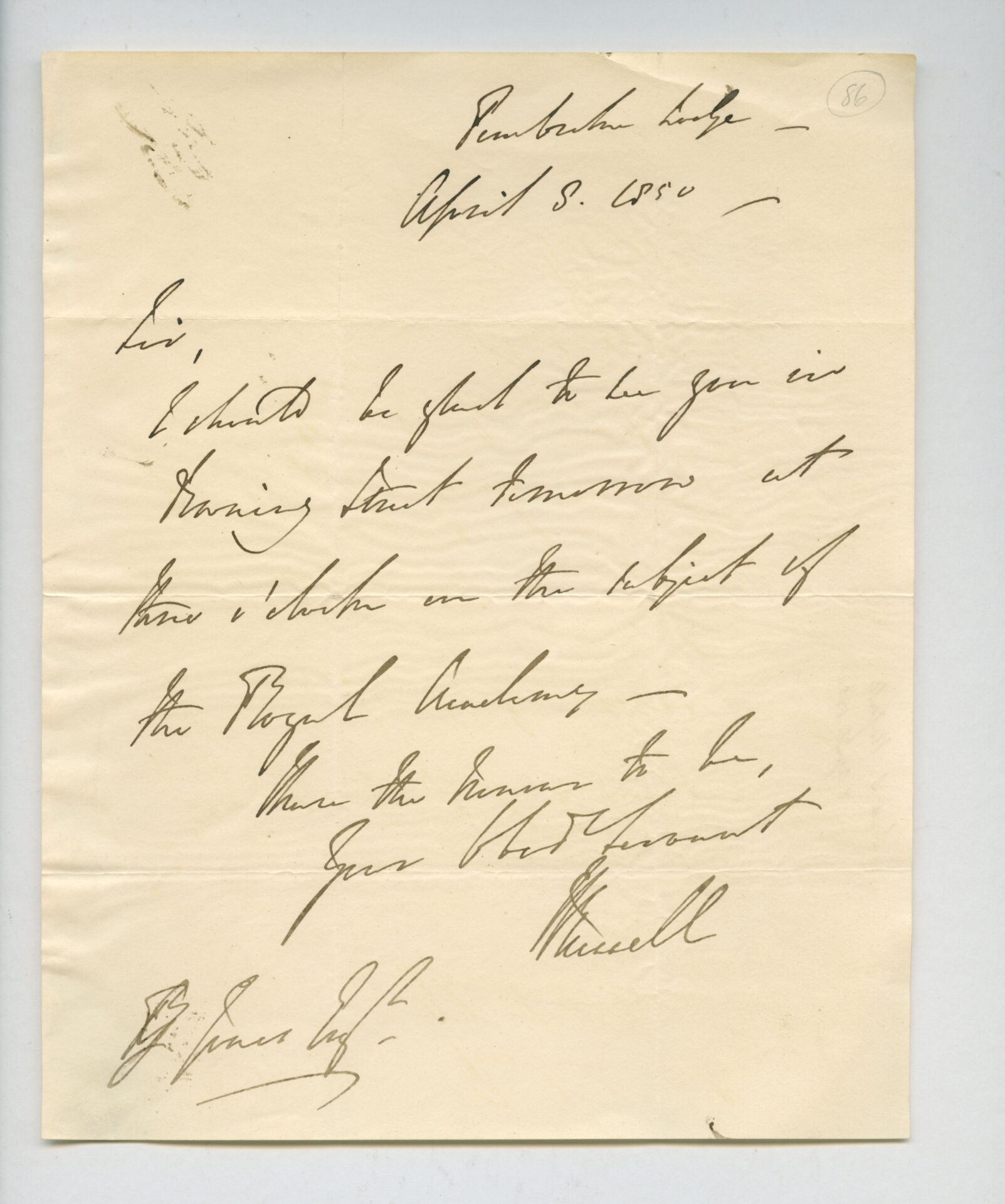
Perhaps its most influential resident was Lord John Russell, twice Prime Minister of Britain.
While living at Pembroke Lodge, Lord John Russell used the house not only as his family home but also as an informal centre of government, where leading political figures regularly gathered.
The guest list reflected the importance of the house, welcoming figures including Charles Dickens, Alfred, Lord Tennyson, William Ewart Gladstone and Giuseppe Garibaldi.
Lord John Russell himself described the setting as one that “could hardly be equalled” anywhere in England.
Changing Times
In the early twentieth century, the Countess of Dudley became the Lodge’s resident.
She introduced a number of changes to the interiors, many of which continue to influence the character of the building today.
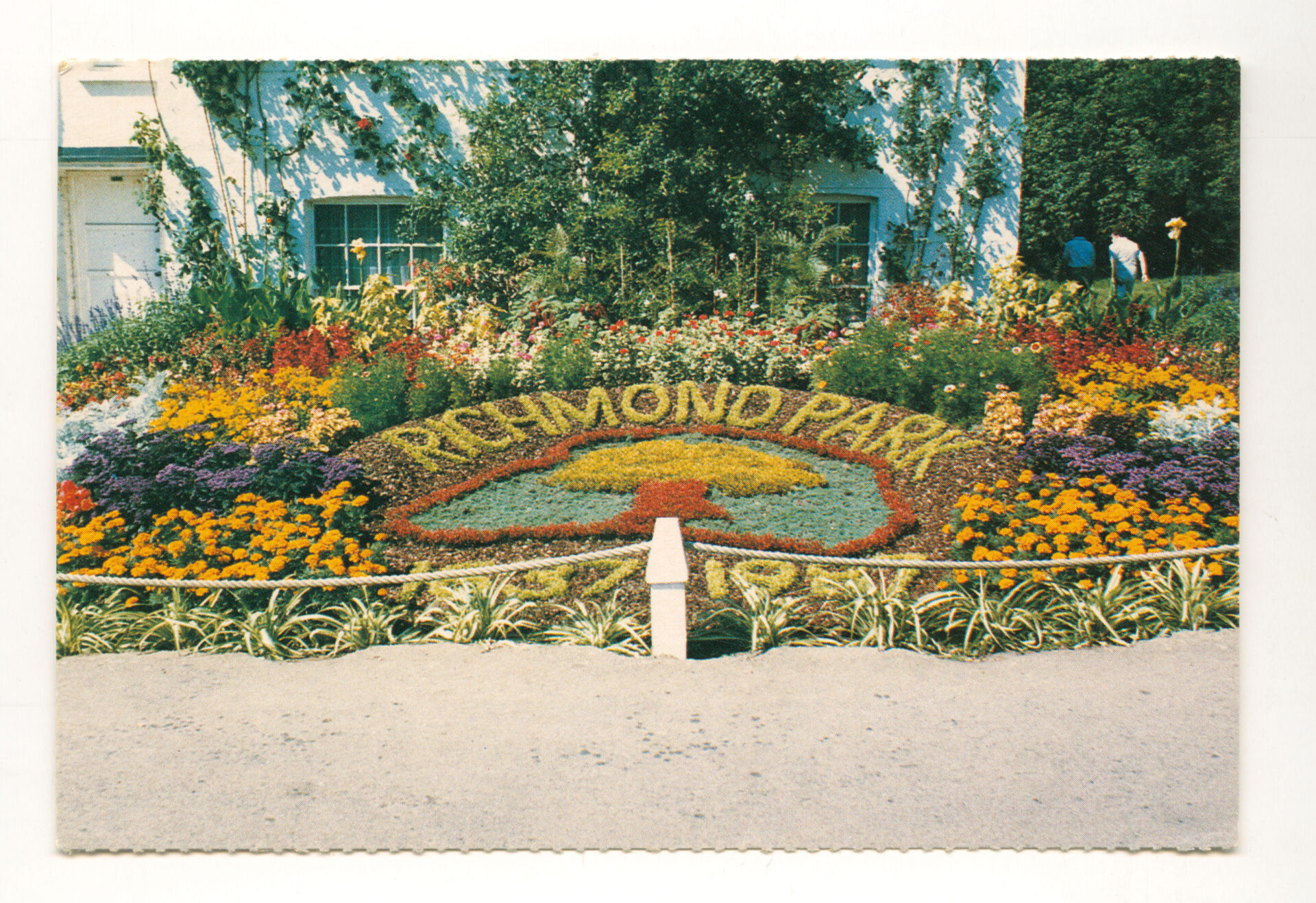
A touching reminder of her time remains in the gardens, where the grave of her beloved dog, Boy, can still be found.
Following her death, Pembroke Lodge entered a quieter period as a commercially leased property, serving practical purposes while retaining its historic character.
The Second World War
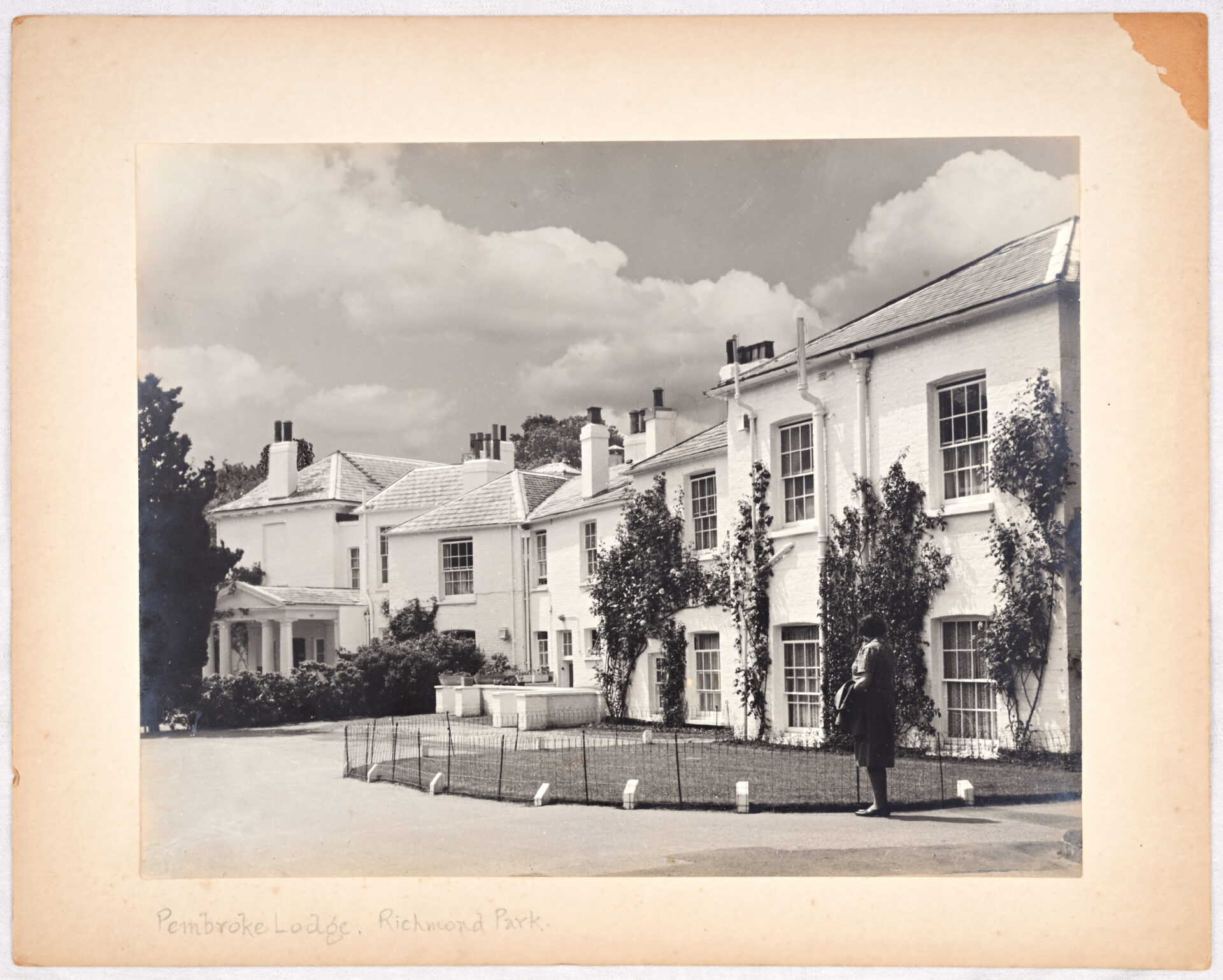
During the Second World War, Pembroke Lodge entered one of the most significant chapters of its history.
The building became the headquarters of the GHQ Liaison Regiment, better known by its codename, Phantom.
The regiment played a vital role gathering frontline intelligence and communicating directly with senior Allied commanders during the war.
Military occupation inevitably changed the building, and parts of the Lodge suffered damage and alteration during these difficult years.
Bringing Pembroke Lodge back to life
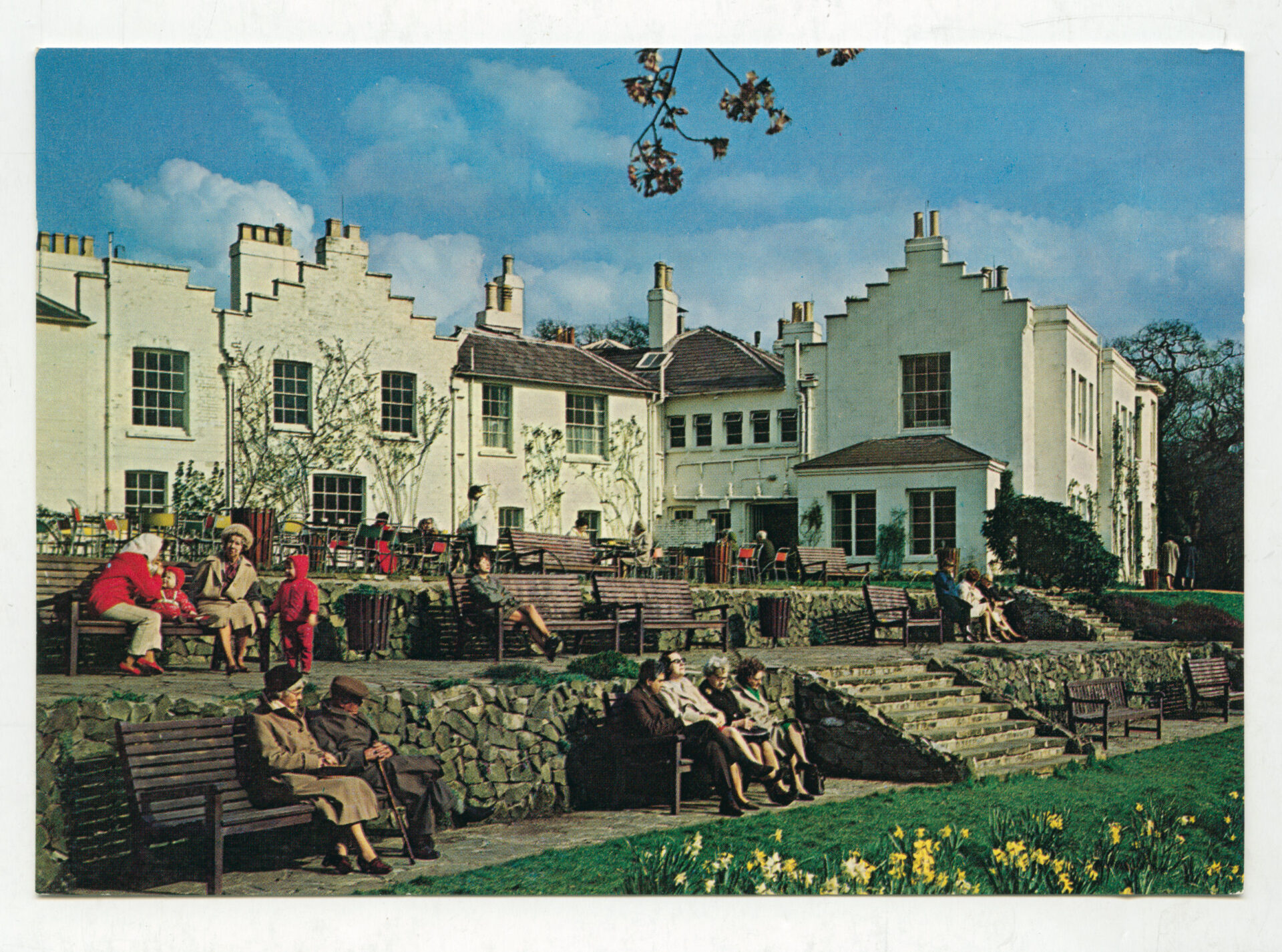
By the late twentieth century, Pembroke Lodge had fallen into serious disrepair.
Although it was recognised as a Grade II listed building in 1983, many years of neglect had left the future of the Lodge uncertain.
Everything changed in 1997 when Daniel Hearsum was awarded the lease.
Recognising both the importance of the building and its potential, he personally financed and led an ambitious ten-year restoration programme.
With meticulous attention to historical detail, the project transformed Pembroke Lodge from a neglected catering facility into one of Richmond Park’s most treasured public destinations.
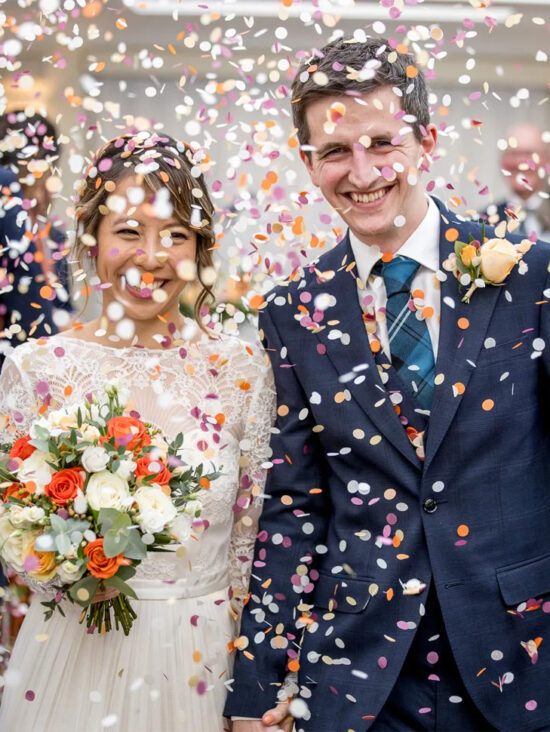
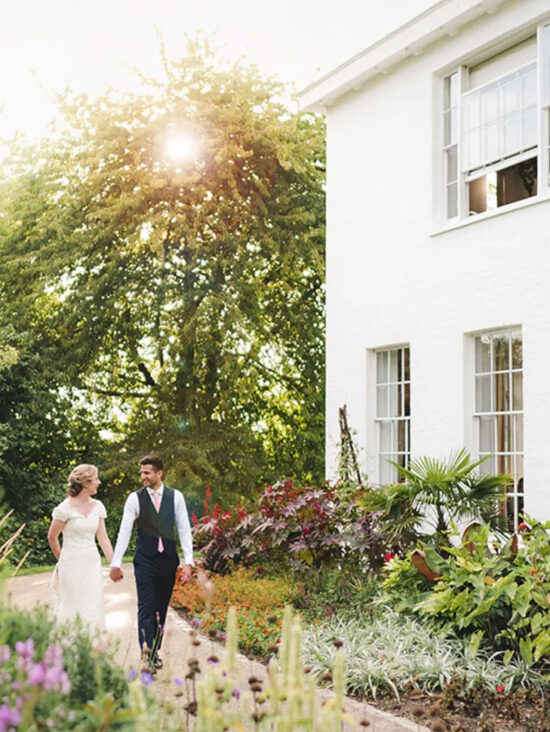
His vision ensured the building remained open to visitors while becoming an outstanding venue for weddings, celebrations and community events, generating valuable income to help support the park.
More importantly, it secured the future of one of Richmond Park’s most significant historic buildings for generations to come.
Pembroke Lodge Today
Today, Pembroke Lodge remains a place where history and modern life sit comfortably alongside one another.
Daniel Hearsum’s legacy continues through his daughter, Louise, who carries forward his vision with the same care, commitment and respect for the building’s remarkable heritage.
While the Lodge welcomes thousands of visitors each year for weddings, celebrations, coffees and lunches, it remains true to its original purpose: a place where people come together to enjoy the beauty, tranquillity and history of Richmond Park.
More than 250 years after its story began, Pembroke Lodge continues to create new memories while preserving those that came before.